
Introduction
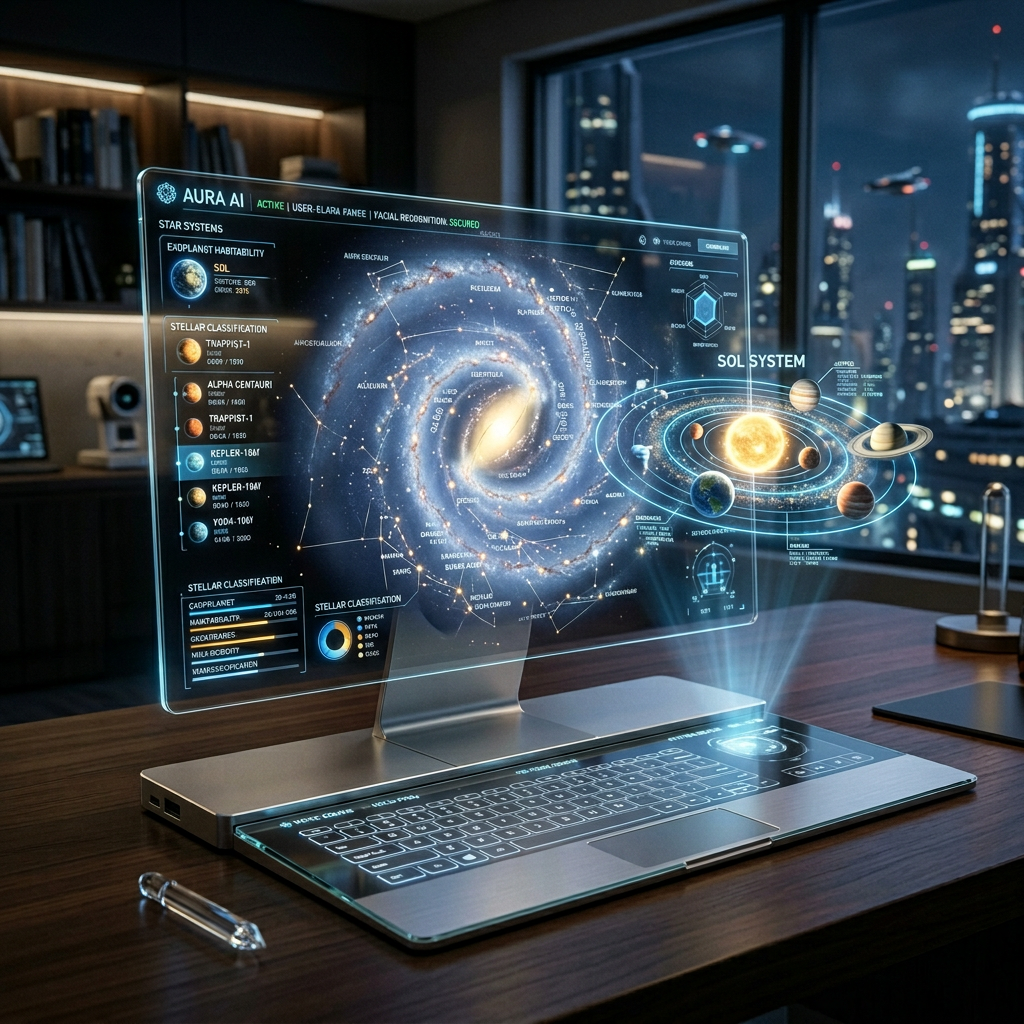
Technology devices now control communication, productivity, healthcare, transportation, education, finance, and entertainment across the world. Smartphones, laptops, wearable devices, sensors, and connected systems operate continuously through networks and digital platforms. The term “Device Pulse” represents the constant flow of activity, communication, processing, and data exchange between modern devices.
Every connected device sends and receives information through digital systems. These interactions create a pulse that drives online services, cloud computing, automation, artificial intelligence, and smart environments. From personal devices to industrial equipment, device activity forms the foundation of modern digital infrastructure.
This article explains Device Pulse, its components, communication systems, role in industries, cybersecurity importance, future technologies, and the impact of connected devices on society and business operations.
What Is Device Pulse?
Device Pulse refers to the continuous operation and communication of digital devices within connected ecosystems. It includes data transfer, processing activity, network communication, system monitoring, and real-time interaction between hardware and software.
The concept applies to:
- Smartphones
- Computers
- Smart home systems
- Wearable devices
- Industrial sensors
- Healthcare equipment
- Internet of Things devices
Device Pulse reflects the flow of information that keeps digital systems functioning.
Evolution of Connected Devices
Technology devices have evolved significantly over the last several decades.
Early Electronic Systems
Early electronic devices focused on single functions such as communication, calculations, or entertainment.
Examples included:
- Radios
- Calculators
- Telephones
- Television systems
These devices operated independently without network integration.
Computer Integration
The rise of computers introduced digital processing and software-based operations. Devices became more powerful and capable of handling complex tasks.
Internet Connectivity
Internet access transformed devices into communication platforms. Devices could exchange data globally in real time.
Smart Device Ecosystems
Modern devices now connect through wireless systems, cloud platforms, and automation networks. This created continuous device communication known as Device Pulse.
Core Components of Device Pulse
Several systems work together to maintain connected device activity.
Processors and Computing Units
Processors control device operations and data handling.
Functions include:
- Running applications
- Managing tasks
- Processing information
- Handling communication systems
- Supporting artificial intelligence operations
Modern processors improve speed and efficiency.
Operating Systems
Operating systems manage communication between hardware and software.
Popular operating systems include:
- Android
- Windows
- Linux
- iOS
- macOS
These systems control applications, updates, security, and device interaction.
Network Connectivity
Device Pulse depends heavily on communication networks.
Connectivity systems include:
- Wi-Fi
- Bluetooth
- NFC
- Ethernet
- 4G
- 5G
These technologies allow devices to share information and maintain online access.
Cloud Systems
Cloud computing supports remote storage and digital processing.
Cloud services provide:
- File synchronization
- Data backups
- Remote access
- Shared platforms
- Cross-device integration
Cloud systems strengthen connected device environments.
Sensors and Input Systems
Modern devices use sensors to collect and process information.
Examples include:
- Motion sensors
- Temperature sensors
- Biometric scanners
- GPS systems
- Camera systems
Sensors support automation and monitoring functions.
Role of Device Pulse in Daily Life
Connected devices now influence almost every part of modern life.
Communication Systems
Smartphones and digital devices support global communication.
Functions include:
- Messaging
- Voice calls
- Video communication
- Social media interaction
- Email services
Continuous device activity enables instant communication.
Remote Work and Productivity
Businesses rely on connected devices for operations.
Employees use devices for:
- Online meetings
- Document sharing
- Cloud collaboration
- Project management
- Data access
Device Pulse supports workplace communication and productivity.
Education and Learning Platforms
Educational institutions use digital devices for online learning.
Students access:
- Virtual classrooms
- Educational applications
- Research platforms
- Assignment systems
- Collaboration tools
Connected learning environments depend on stable device communication.
Healthcare Monitoring
Healthcare systems use connected devices for patient support.
Applications include:
- Health monitoring
- Remote consultations
- Medical imaging
- Wearable tracking devices
- Digital health records
Healthcare technology improves patient access and monitoring.
Entertainment and Media Streaming
Entertainment systems depend on connected devices.
Users stream:
- Movies
- Music
- Live broadcasts
- Online gaming
- Social content
Continuous data flow supports digital entertainment platforms.
Internet of Things and Device Pulse
The Internet of Things connects physical devices through networks and cloud systems.
Examples include:
- Smart lights
- Smart locks
- Security cameras
- Smart appliances
- Voice assistants
These systems communicate continuously to maintain automation.
Smart Home Technology
Smart homes rely on connected devices for automation and control.
Users manage:
- Lighting systems
- Temperature controls
- Security systems
- Home appliances
- Entertainment devices
Smart home hubs coordinate communication between devices.
Artificial Intelligence and Device Pulse
Artificial intelligence improves device interaction and automation.
AI systems support:
- Voice recognition
- Predictive analysis
- Automation
- Image processing
- Personalization systems
AI helps devices process data and respond to user behavior.
Cybersecurity in Connected Devices
As devices remain connected continuously, cybersecurity becomes more important.
Threats include:
- Malware
- Phishing attacks
- Data theft
- Unauthorized access
- Network breaches
Security systems include:
- Encryption
- Authentication
- Security updates
- Firewalls
- Multi-factor verification
Cybersecurity protects users and organizations from digital risks.
Data Collection and Analytics
Connected devices generate large amounts of information.
Organizations use data analytics for:
- Performance monitoring
- Consumer behavior analysis
- System optimization
- Predictive maintenance
Data-driven systems improve operational decisions.
Wearable Devices and Device Pulse
Wearable technology continues expanding in modern markets.
Examples include:
- Smartwatches
- Fitness trackers
- Health monitoring bands
- Smart glasses
These devices collect and transmit data continuously.
Mobile Devices and Continuous Connectivity
Smartphones represent one of the largest sources of Device Pulse activity.
Mobile devices support:
- Internet access
- Communication
- Banking
- Navigation
- Entertainment
- Cloud services
Mobile ecosystems remain active throughout the day.
Industrial Device Systems
Industries use connected devices for monitoring and automation.
Applications include:
- Manufacturing systems
- Logistics tracking
- Energy management
- Equipment monitoring
- Production analysis
Industrial automation improves operational efficiency.
Smart Cities and Connected Infrastructure
Smart cities use connected devices to manage public services.
Systems include:
- Traffic management
- Environmental monitoring
- Security surveillance
- Public transportation
- Energy distribution
Device Pulse helps cities monitor infrastructure in real time.
5G and High-Speed Connectivity
5G technology improves communication between connected devices.
Benefits include:
- Faster data transfer
- Reduced latency
- Stable streaming
- Better automation support
- Expanded device connectivity
5G networks strengthen future digital ecosystems.
Cloud Computing and Device Integration
Cloud systems allow devices to access shared services remotely.
Benefits include:
- Remote collaboration
- Shared applications
- Real-time synchronization
- Backup systems
- Centralized data management
Cloud integration improves device flexibility.
Digital Payments and Connected Devices
Financial systems now rely heavily on connected devices.
Users perform:
- Mobile payments
- Online banking
- Digital transactions
- Contactless payments
Secure device communication supports financial operations.
Social Media and Device Activity
Social platforms depend on constant device interaction.
Users engage through:
- Content sharing
- Messaging
- Live streaming
- Community platforms
Social media systems rely on continuous data exchange.
Gaming and Real-Time Device Communication
Gaming systems require fast and stable device interaction.
Modern gaming supports:
- Multiplayer environments
- Streaming services
- Cloud gaming
- Virtual interaction
Gaming performance depends on network stability and processing power.
Challenges Facing Device Pulse Systems
Despite technological progress, connected ecosystems face several challenges.
Privacy Concerns
Devices collect large amounts of personal information.
Privacy issues include:
- Data tracking
- Unauthorized monitoring
- Data sharing
- Surveillance concerns
Users demand stronger privacy protections.
Cybersecurity Threats
Connected systems increase exposure to cyberattacks.
Attack methods include:
- Ransomware
- Network infiltration
- Device hijacking
- Credential theft
Organizations must improve security continuously.
Energy Consumption
Connected devices require constant power and network access.
Challenges include:
- Battery limitations
- Energy management
- Data center consumption
Energy-efficient systems remain important for future development.
Electronic Waste
Growing device production creates environmental concerns.
Issues include:
- Device disposal
- Battery waste
- Recycling challenges
Sustainable technology practices continue to develop.
Role of Automation in Device Pulse
Automation allows devices to perform tasks with minimal human input.
Applications include:
- Smart home operations
- Industrial robotics
- Automated monitoring
- Transportation systems
Automation improves operational management and response times.
Edge Computing and Real-Time Processing
Edge computing processes information closer to the source device.
Benefits include:
- Reduced latency
- Faster responses
- Improved efficiency
- Lower bandwidth usage
Edge systems support real-time digital operations.
Future of Device Pulse
Connected technology continues evolving rapidly.
Future developments may include:
- Quantum computing integration
- Expanded artificial intelligence
- Brain-device communication
- Autonomous transportation
- Advanced robotics
- Extended reality systems
Future ecosystems will rely even more on continuous device communication.
Augmented Reality and Virtual Reality
AR and VR systems depend on fast device communication.
Applications include:
- Gaming
- Education
- Medical training
- Remote collaboration
- Industrial simulations
Connected processing supports immersive digital experiences.
Importance of Software Updates
Software updates maintain security and system performance.
Updates support:
- Security improvements
- Bug fixes
- Compatibility updates
- Feature integration
Users should maintain regular updates for system stability.
How Businesses Use Device Pulse Data
Businesses analyze device activity for operational improvements.
Applications include:
- Customer behavior analysis
- Inventory tracking
- Marketing systems
- Performance monitoring
Data-driven operations support business growth.
Choosing Secure Connected Devices
Consumers should evaluate devices carefully before purchase.
Important factors include:
- Security features
- Software support
- Connectivity options
- Data protection systems
- Compatibility
Secure devices help reduce cybersecurity risks.
Device Pulse and Global Connectivity
Connected devices support communication and digital access across the world.
Applications include:
- Remote learning
- International business
- Telemedicine
- Online commerce
- Digital collaboration
Device ecosystems continue expanding global connectivity.
Conclusion
Device Pulse represents the continuous activity and communication that powers modern digital ecosystems. Smartphones, wearable devices, smart systems, industrial equipment, and cloud platforms all depend on real-time data exchange and network connectivity. These connected environments support communication, education, healthcare, entertainment, automation, and business operations.


Leave a Reply