
Introduction
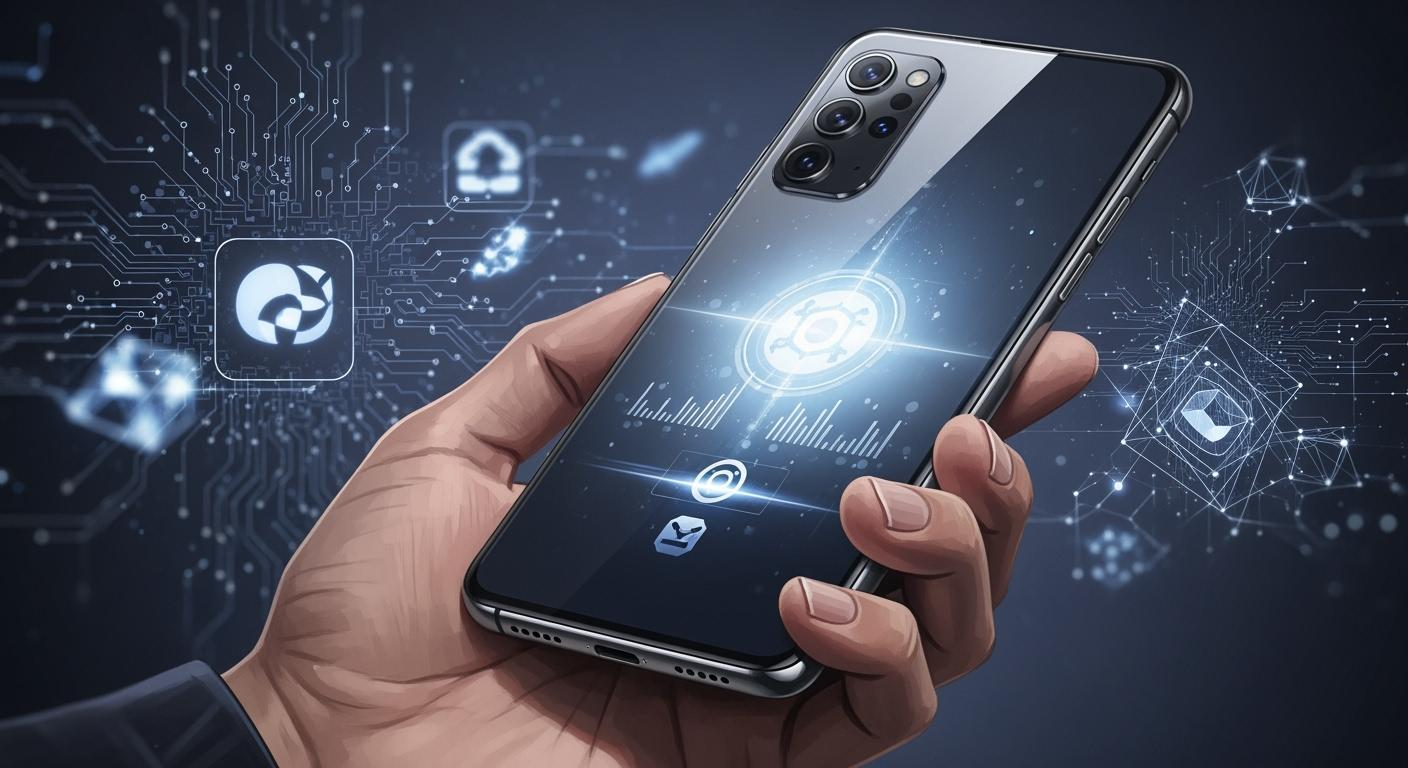
Mobile technology has changed communication, business, education, entertainment, and digital access across the world. Smartphones and mobile devices now serve as tools for work, payments, learning, navigation, social interaction, and online services. The term “Mobile Max” represents the growth of mobile systems, advanced smartphone technology, mobile performance, and connected digital experiences.
The mobile industry continues to expand through faster processors, stronger connectivity, cloud integration, artificial intelligence, and application ecosystems. Users depend on mobile devices for almost every part of daily life. Businesses also rely on mobile systems for communication, customer engagement, and digital operations.
This article explains Mobile Max, its role in modern technology, core mobile components, communication systems, security, future innovations, and the impact of mobile devices on industries and society.
What Is Mobile Max?
Mobile Max refers to a complete mobile ecosystem that combines hardware, software, connectivity, applications, and digital services into one platform. It represents the highest level of mobile functionality where smartphones and mobile devices support communication, productivity, media, and automation.
The concept includes:
- Mobile processors
- Operating systems
- Application platforms
- Wireless networks
- Cloud services
- Mobile security
- Artificial intelligence integration
Mobile Max reflects the evolution of mobile devices from communication tools into complete digital systems.
History of Mobile Technology
The mobile industry has developed through multiple stages over several decades.
Early Mobile Communication
The first mobile phones focused mainly on voice communication. These devices were large and supported limited functionality.
Digital Mobile Networks
The introduction of digital networks improved communication quality and allowed text messaging services.
Smartphone Revolution
Smartphones changed the mobile industry by combining internet access, applications, cameras, and multimedia systems into portable devices.
Modern Mobile Ecosystems
Today’s mobile systems support cloud computing, online payments, video streaming, gaming, business operations, and artificial intelligence.
Core Components of Mobile Devices
Mobile devices contain several important systems that work together.
Processor Technology
The processor controls device operations and handles tasks.
Functions include:
- Running applications
- Managing system performance
- Processing graphics
- Supporting multitasking
- Handling artificial intelligence operations
Modern processors use multi-core architectures for performance management.
Operating Systems
The operating system connects software and hardware.
Popular mobile operating systems include:
- Android
- iOS
The operating system controls:
- User interface
- Application support
- Security systems
- Updates
- Device management
Storage and Memory
Mobile devices use storage and memory systems for applications and files.
Storage options include:
- Internal storage
- Cloud storage
- Expandable memory cards
Memory systems help applications run smoothly.
Battery Systems
Battery technology supports mobile portability.
Battery systems manage:
- Power distribution
- Charging operations
- Energy efficiency
- Device performance
Fast charging and wireless charging continue to grow in mobile technology.
Display Technology
Displays provide interaction between users and devices.
Mobile displays include:
- OLED
- AMOLED
- LCD
- Foldable screens
Touchscreen systems support user navigation and application control.
Camera Systems
Modern smartphones include advanced camera technology.
Features include:
- Video recording
- Portrait photography
- AI image processing
- Zoom systems
- Night photography
Mobile cameras now support content creation and communication.
Connectivity Systems
Connectivity technology allows mobile devices to access networks and communicate with other devices.
Systems include:
- Wi-Fi
- Bluetooth
- NFC
- 4G
- 5G
Connectivity supports internet access and wireless communication.
Role of Mobile Max in Daily Life
Mobile devices now influence almost every part of modern society.
Communication
Smartphones support:
- Voice calls
- Video calls
- Messaging
- Email communication
- Social media interaction
Mobile communication connects users across global networks.
Education
Students and teachers use mobile devices for digital learning.
Applications include:
- Online classes
- Research
- Assignment management
- Educational applications
- Collaboration systems
Mobile learning continues to expand worldwide.
Business Operations
Businesses rely on mobile technology for communication and productivity.
Mobile systems support:
- Remote work
- Digital payments
- Customer communication
- Online meetings
- Data management
Mobile devices help businesses maintain operational efficiency.
Healthcare Support
Healthcare organizations use mobile technology for patient monitoring and communication.
Applications include:
- Telemedicine
- Health tracking
- Medical communication
- Appointment management
- Digital health records
Mobile healthcare systems improve accessibility.
Entertainment and Media
Entertainment industries depend heavily on mobile platforms.
Users access:
- Video streaming
- Music services
- Mobile gaming
- Social platforms
- Live broadcasting
Mobile entertainment continues to grow through digital platforms.
Mobile Applications and Digital Ecosystems
Applications are central to the Mobile Max ecosystem.
App categories include:
- Communication
- Finance
- Education
- Productivity
- Entertainment
- Shopping
- Health tracking
Application stores provide users with millions of digital services.
Cloud Integration in Mobile Technology
Cloud computing allows mobile devices to access remote services and storage.
Benefits include:
- File synchronization
- Backup systems
- Shared access
- Remote collaboration
- Reduced storage limitations
Cloud integration improves cross-device functionality.
Artificial Intelligence in Mobile Devices
Artificial intelligence now plays a major role in smartphones.
AI supports:
- Voice assistants
- Camera optimization
- Security systems
- Predictive typing
- Application recommendations
AI technology improves user interaction and automation.
Mobile Security Systems
Security is important in mobile ecosystems because devices store personal and business data.
Threats include:
- Malware
- Data theft
- Phishing attacks
- Unauthorized access
- Network attacks
Security systems include:
- Fingerprint scanning
- Face recognition
- Encryption
- Multi-factor authentication
- Security updates
Users should maintain security practices to protect data.
5G and Mobile Connectivity
5G networks improve mobile communication and internet performance.
Benefits include:
- Faster downloads
- Reduced latency
- Improved streaming
- Better gaming performance
- Stable video communication
5G technology supports future mobile ecosystems and smart infrastructure.
Mobile Gaming Industry
Mobile gaming has become a major part of the digital economy.
Modern mobile devices support:
- Online multiplayer games
- High-resolution graphics
- Cloud gaming
- Live streaming
Gaming processors and display systems continue to improve.
Mobile Payments and Digital Banking
Mobile technology changed financial systems through digital payment services.
Users can:
- Transfer money
- Pay bills
- Shop online
- Access banking services
- Use digital wallets
Mobile banking systems improve financial accessibility.
Social Media and Mobile Platforms
Social media platforms depend heavily on mobile users.
Mobile devices support:
- Content creation
- Video sharing
- Messaging
- Live broadcasting
- Online communities
The mobile ecosystem drives digital communication worldwide.
Internet of Things and Mobile Integration
Mobile devices often act as control centers for smart systems.
Users manage:
- Smart homes
- Security cameras
- Appliances
- Lighting systems
- Wearable devices
Mobile integration supports connected environments.
Wearable Technology and Mobile Systems
Wearable devices connect directly with smartphones.
Examples include:
- Smartwatches
- Fitness trackers
- Smart glasses
Wearables support communication, health monitoring, and notifications.
Impact of Mobile Technology on Business
Businesses continue investing in mobile systems for growth.
Benefits include:
- Customer engagement
- Mobile marketing
- Digital transactions
- Remote operations
- Data analysis
Mobile-first strategies now shape many industries.
E-Commerce and Mobile Shopping
Mobile shopping continues to grow worldwide.
Consumers use smartphones for:
- Product searches
- Price comparisons
- Online purchases
- Payment processing
- Delivery tracking
Mobile commerce has transformed retail operations.
Mobile Content Creation
Content creators use smartphones for media production.
Mobile devices support:
- Video recording
- Editing applications
- Live streaming
- Photography
- Social publishing
Mobile platforms simplify content production.
Challenges in Mobile Technology
Despite progress, mobile systems face several challenges.
Battery Limitations
Battery performance remains an important issue.
Users expect:
- Longer usage time
- Faster charging
- Stable energy management
Battery research continues across the industry.
Privacy Concerns
Mobile devices collect large amounts of user data.
Concerns include:
- Tracking systems
- Data sharing
- Unauthorized monitoring
- Application permissions
Privacy regulations continue evolving worldwide.
Cybersecurity Risks
Cyber threats continue increasing in mobile environments.
Attack methods include:
- Fake applications
- Network attacks
- Identity theft
- Fraud systems
Security awareness remains important for users and businesses.
Electronic Waste
The growing number of mobile devices creates environmental concerns.
Issues include:
- Battery disposal
- Device replacement cycles
- Electronic waste management
Recycling systems help reduce environmental impact.
Future of Mobile Max
Mobile technology continues evolving rapidly.
Future developments may include:
- Foldable systems
- Advanced AI integration
- Extended reality support
- Brain-device communication
- Smart automation
- Quantum communication systems
Mobile ecosystems will continue expanding into new industries.
Foldable and Flexible Devices
Flexible display technology is changing smartphone design.
Foldable devices support:
- Larger screens
- Multi-tasking
- Compact portability
Manufacturers continue improving flexible hardware systems.
Augmented Reality and Mobile Devices
Augmented reality combines digital content with physical environments.
Applications include:
- Navigation
- Gaming
- Retail experiences
- Education
- Industrial support
Mobile devices play an important role in AR systems.
Role of Mobile Technology in Smart Cities
Smart cities depend on mobile connectivity for digital operations.
Applications include:
- Transportation systems
- Public communication
- Digital payments
- Navigation services
- Emergency systems
Mobile technology supports urban management and communication.
Importance of Software Updates
Software updates maintain system performance and security.
Updates improve:
- Bug fixes
- Security protection
- Application compatibility
- Device stability
Regular updates are important for long-term device operation.
Choosing the Right Mobile Device
Consumers should evaluate several factors before purchasing a smartphone.
Important considerations include:
- Performance
- Battery capacity
- Camera systems
- Storage
- Operating system
- Connectivity support
- Security features
The best mobile device depends on personal and professional needs.
Digital Transformation Through Mobile Systems
Mobile technology drives digital transformation across industries.
Organizations use mobile systems for:
- Remote work
- Customer support
- Online services
- Cloud operations
- Data management
Mobile connectivity continues shaping business strategies worldwide.
Mobile Technology and Global Connectivity
Smartphones connect billions of users across global networks.
Mobile systems support:
- International communication
- Online learning
- Remote business
- Digital trade
- Media distribution
The mobile industry remains central to global digital infrastructure.
Conclusion
Mobile Max represents the evolution of smartphones and mobile ecosystems into complete digital platforms. Mobile devices now support communication, business, healthcare, education, entertainment, banking, and smart environments. Processors, operating systems, cloud computing, artificial intelligence, and high-speed networks work together to create connected mobile experiences.



Leave a Reply